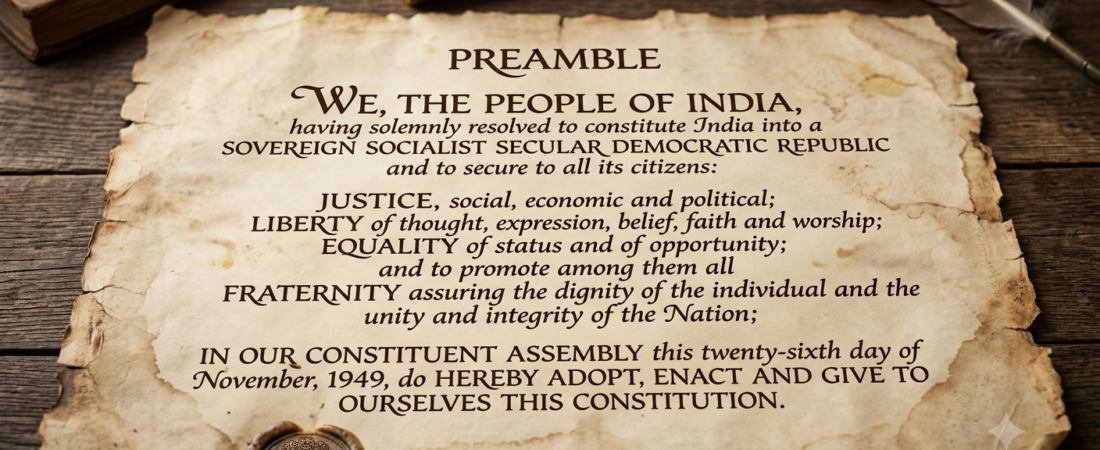
- What Is Kesavananda Bharati v. State of Kerala Case?
- Historical Context and Legislative Conflict
- The Core Legal Issues Before the Bench
- Key Differences in Landmark Supreme Court Rulings
- The Basic Structure Doctrine and Its Impact
- How the Supreme Court Evaluates Constitutional Amendments
- Frequently Asked Questions
The Kesavananda Bharati case stands as the most critical legal battle in Indian constitutional history. In our analysis, this historic ruling prevented unlimited parliamentary power and preserved citizen freedoms.
The Kesavananda Bharati v. State of Kerala case reshaped Indian democracy by establishing that Parliament cannot alter the basic framework of the Constitution.
Written by Kapil Balhara | Technically Reviewed for Accuracy | Last Updated: March 2026
What Is Kesavananda Bharati v. State of Kerala Case?
Kesavananda Bharati v. State of Kerala (1973) is a landmark Supreme Court of India decision that established the Basic Structure Doctrine. It ruled that while Parliament has broad power to amend the Constitution under Article 368, it cannot alter or destroy its essential features or foundational framework.
Historical Context and Legislative Conflict
The conflict began when Swami Kesavananda Bharati, head of the Edneer Mutt in Kerala, challenged state land reform laws that restricted religious property management under Article 26. During the pendency of this petition, Parliament passed major amendments to bypass earlier judicial decisions.
To understand this struggle, one must examine the legal laws enacted during that era:
- 24th Amendment Act (1971): It amended Article 13 and Article 368 to grant Parliament unlimited power to amend any part of the Constitution, including Fundamental Rights.
- 25th Amendment Act (1971): It restricted property rights and added Article 31C, which gave Directive Principles priority over certain Fundamental Rights.
- 29th Amendment Act (1972): It placed land reform acts directly into the Ninth Schedule to immunize them from judicial review.
Consequently, a massive 13-judge Bench was assembled to decide if Parliament held absolute amending authority.
The Core Legal Issues Before the Bench
When we evaluated the arguments, the case boiled down to a single core question: Is parliamentary power under Article 368 absolute or limited? The petitioners argued that fundamental rights represent human freedoms that cannot be erased by legislative majorities.
However, the State argued that Parliament holds supreme sovereign authority to reshape the Constitution for socio-economic goals. Therefore, the court had to balance legislative intent against judicial review protections.
Key Takeaway: Parliament possesses the power to amend constitutional provisions, but it does not possess the power to rewrite or destroy the original Constitution.
Key Differences in Landmark Supreme Court Rulings
Our research highlights how the judiciary’s stance on Article 368 evolved over two decades.
| Case Name | Year | Bench Size | Core Ruling on Amending Power |
|---|---|---|---|
| Sankari Prasad v. Union of India | 1951 | 5 Judges | Parliament has absolute power to amend Fundamental Rights under Article 368. |
| Sajjan Singh v. State of Rajasthan | 1965 | 5 Judges | Upheld Sankari Prasad; Article 368 covers all constitutional provisions. |
| I.C. Golak Nath v. State of Punjab | 1967 | 11 Judges | Parliament cannot abridge or take away Fundamental Rights via amendments. |
| Kesavananda Bharati v. State of Kerala | 1973 | 13 Judges | Overruled Golak Nath; allowed amendments but created the Basic Structure Doctrine. |
Besides changing precedent, this decision established balance between legislative action and judicial oversight.
The Basic Structure Doctrine and Its Impact
By a narrow 7:6 majority, Chief Justice S.M. Sikri and six fellow judges ruled that Article 368 contains implied limits. Moreover, the court held that Parliament cannot alter basic features like democracy, secularism, rule of law, and judicial review.
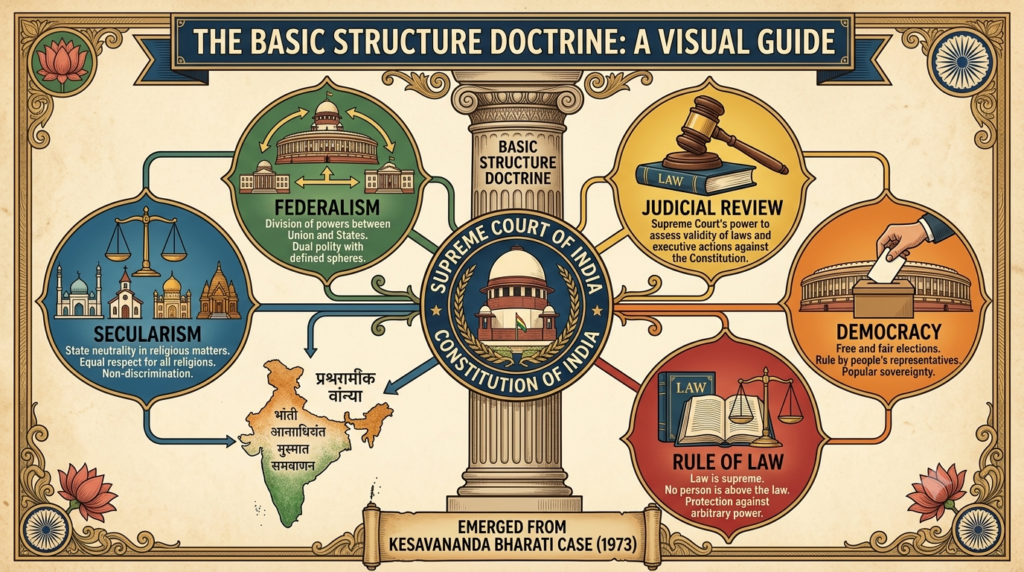
Essential elements of the Basic Structure include:
- Supremacy of the Constitution
- Republican and Democratic form of Government
- Secular character of the Constitution
- Separation of powers between legislature, executive, and judiciary
- Federal character of the Constitution
Furthermore, the judgment invalidated the second part of Article 31C because it blocked judicial review. Thus, the court ensured that no law could completely escape judicial evaluation.
If you are analyzing constitutional law matters or preparing legal briefs, consult our research library for detailed analysis.
How the Supreme Court Evaluates Constitutional Amendments
Following the 1973 ruling, the Supreme Court uses a structured evaluation process to review new constitutional amendments:
- Identify the specific constitutional provision altered or added by Parliament.
- Determine if the amendment impacts a core constitutional feature or fundamental right.
- Apply the Essence of the Right Test to check if the essential feature is damaged.
- Review whether judicial review mechanisms under Article 32 or Article 226 remain intact.
- Strike down any provision that violates the Basic Structure Doctrine.
Consequently, this doctrine successfully defeated later attempts to institute unchecked legislative supremacy.
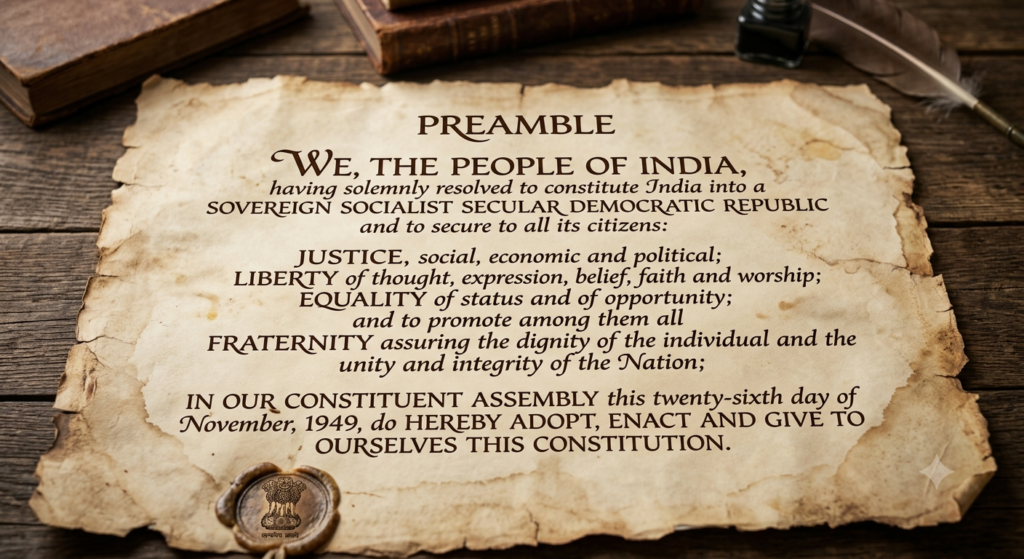
Ultimately, this ruling remains the ultimate safeguard of Indian constitutional democracy.
Frequently Asked Questions
What is the main outcome of the Kesavananda Bharati case?
The Supreme Court established the Basic Structure Doctrine, ruling that Parliament can amend any part of the Constitution but cannot alter its fundamental features.
Did Kesavananda Bharati win his personal land case?
No, Swami Kesavananda Bharati did not receive personal relief regarding his land claims. However, his petition resulted in the historic judgment that saved Indian constitutional democracy.
How did the judgment impact Article 368?
The judgment affirmed that Article 368 contains both the power and procedure for amendment. However, it clarified that “amendment” does not mean complete abrogation or rewriting of the Constitution.