Latest posts
-
Githa Hariharan v. RBI: How One Case Redefined Guardianship Rights in India

Written by Kapil Balhara | Technically Reviewed for Accuracy | Last Updated: October 2026 Table of Contents What Is Githa Hariharan v. Reserve Bank of India Case? Key Takeaway: The Supreme Court ruling in Githa Hariharan v. Reserve Bank of India (1999) held that both father and mother possess equal status as natural guardians of…
-
Aruna Shanbaug Case: The Tragic Legal Fight That Legalized Passive Euthanasia

Written by Kapil Balhara | Technically Reviewed for Accuracy | Last Updated: October 2026 Table of Contents What Is Aruna Ramchandra Shanbaug v. Union of India (2011) Case? Key Takeaway: The Supreme Court in Aruna Ramchandra Shanbaug v. Union of India (2011) legalized passive euthanasia in India under strict judicial monitoring. The ruling established that…
-
Danial Latifi Case Explained: A Turning Point for Muslim Women in India

Written by Kapil Balhara | Technically Reviewed for Accuracy | Last Updated: October 2026 Table of Contents What Is Danial Latifi v. Union of India (2001) Case? Key Takeaway: The Supreme Court in Danial Latifi v. Union of India (2001) upheld the constitutional validity of the Muslim Women (Protection of Rights on Divorce) Act, 1986.…
-
Joseph Shine Case Summary: Decriminalization of Adultery in India
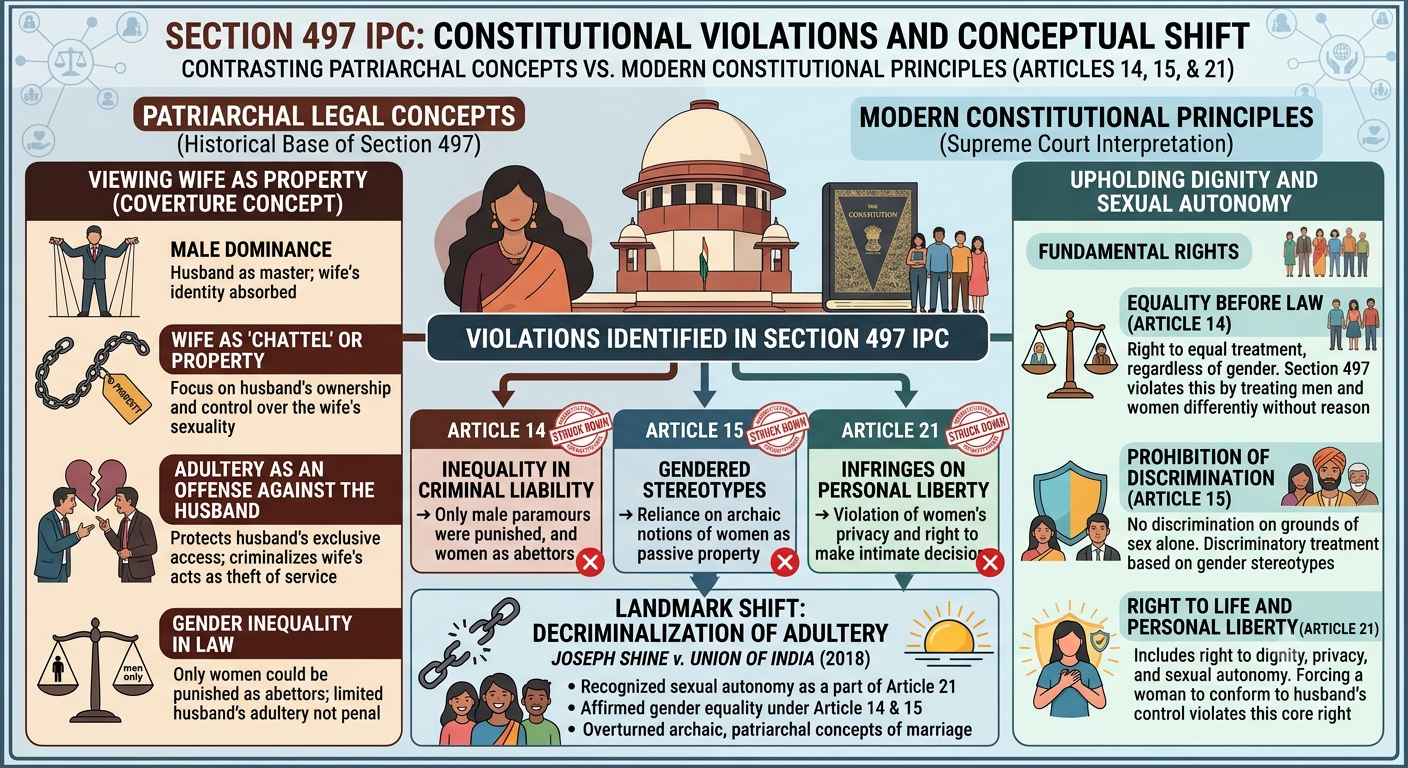
Table of Contents Understanding Joseph Shine v. Union of India In our legal analysis, the landmark verdict of Joseph Shine v. Union of India (2018) stands as a monumental shift towards constitutional morality. The Supreme Court of India unanimously struck down Section 497 of the Indian Penal Code (IPC) alongside Section 198(2) of the Code…
-
How Babita Puniya v. Ministry of Defence Won Equal Rights for Women Soldiers

Table of Contents Introduction For decades, systemic legal barriers created a heartbreaking reality for dedicated women serving in the Indian Army. Although women officers rendered exemplary service across various streams, administrative frameworks denied them equal access to a Permanent Commission. Consequently, female officers faced mandatory retirement after fourteen years without pensionary security or promotional parity.…
-
Sri Adi Visheshwara Temple Case: Religious Denomination Rights Explained
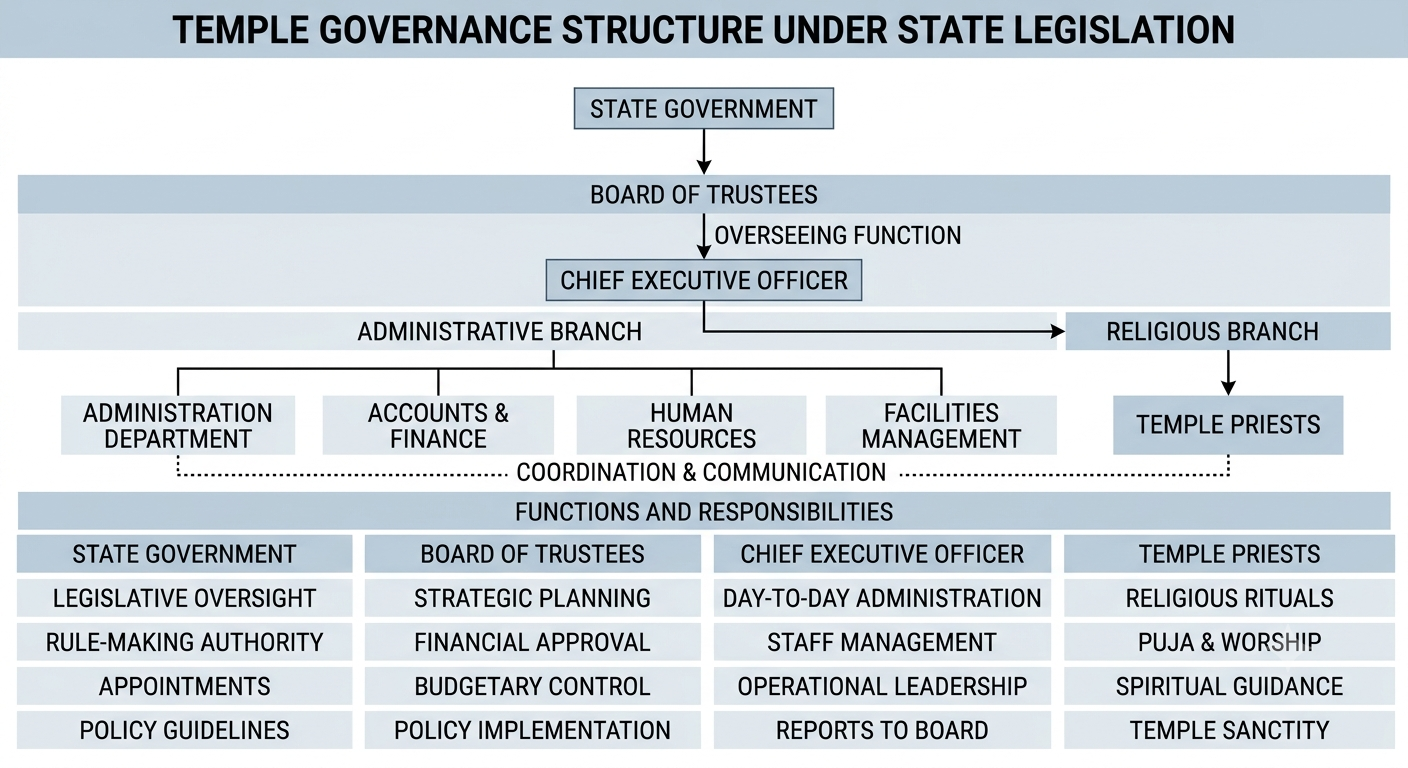
How far can the state intervene in managing ancient religious institutions? For decades, the boundary between secular administration and religious freedom has sparked intense legal battles across India. Consequently, citizens often wonder where spiritual autonomy ends and state oversight begins. The Supreme Court resolved this critical conflict in Sri Adi Visheshwara Temple v. State of…
-
Section 438 CrPC Interpretation: The Sushila Aggarwal Constitution Bench Judgment
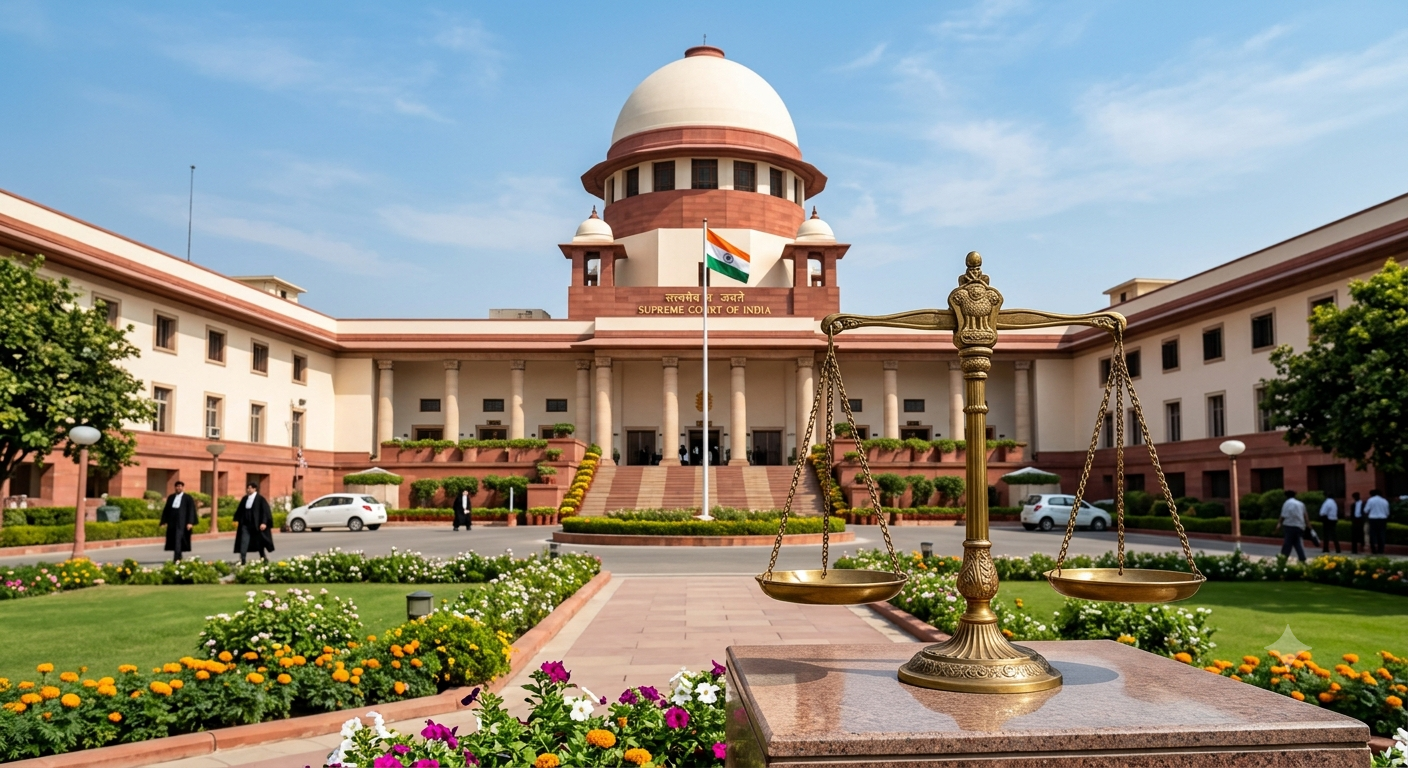
Personal liberty is a cornerstone of Indian criminal jurisprudence. However, police officers sometimes abuse their power of arrest. To safeguard citizens from arbitrary arrest and disgrace, the Law Commission introduced Section 438 in the Code of Criminal Procedure (CrPC). The landmark judgment in Sushila Aggarwal v. State (NCT of Delhi) answered critical questions about pre-arrest…
-
Inside Supriyo v. Union of India: The Fight for Same-Sex Marriage in India
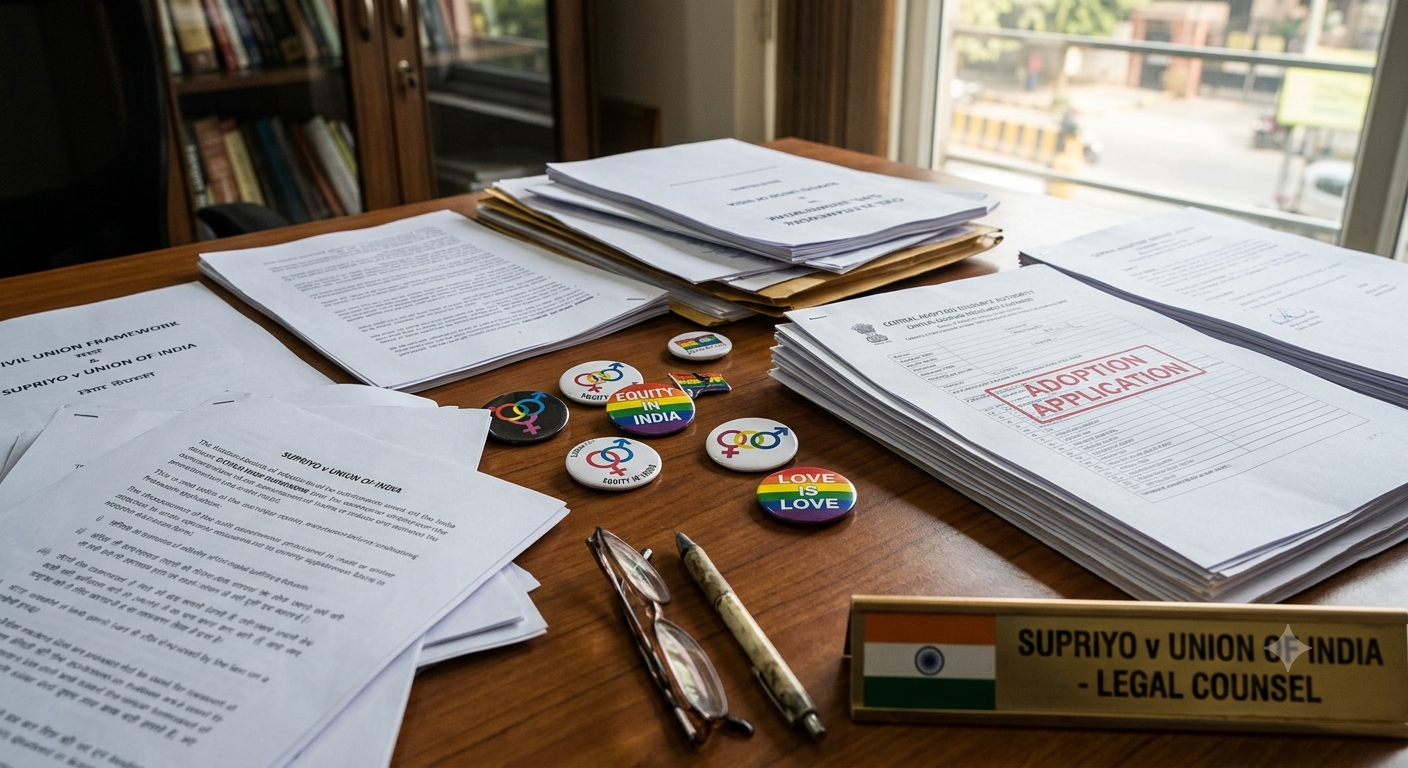
Table of Contents Introduction For decades, LGBTQIA+ individuals in India faced severe systemic exclusion and social stigma surrounding their fundamental rights to partner and build a family. Although historic precedents decriminalized consensual same-sex relationships and upheld self-identified gender identity, full civil recognition of same-sex relationships remained elusive. Consequently, queer couples across the nation were left…
-
How Independent Thought v. Union of India Protected Child Brides

Introduction For many years, legal loopholes created a heartbreaking reality for thousands of young girls across India. Although statutes established eighteen as the legal age of consent, marital exemptions protected husbands from statutory rape charges. Consequently, minor wives lacked equal legal protection under criminal provisions. In a historic ruling, the Supreme Court of India addressed…
-
Reproductive Rights and Article 21: The X v. Principal Secretary Judgment

Introduction For decades, restrictive legal interpretations created a heartbreaking reality for unmarried women across India seeking safe medical terminations of pregnancy. Although statutory laws aimed to protect women’s reproductive health, administrative exclusions often barred single women carrying pregnancies between twenty and twenty-four weeks from accessing legal abortions. Consequently, many unwed women were forced to choose…