Latest posts
-
SCAORA v. Union of India (Second Judges Case) : The Landmark Judgment That Created the Collegium System
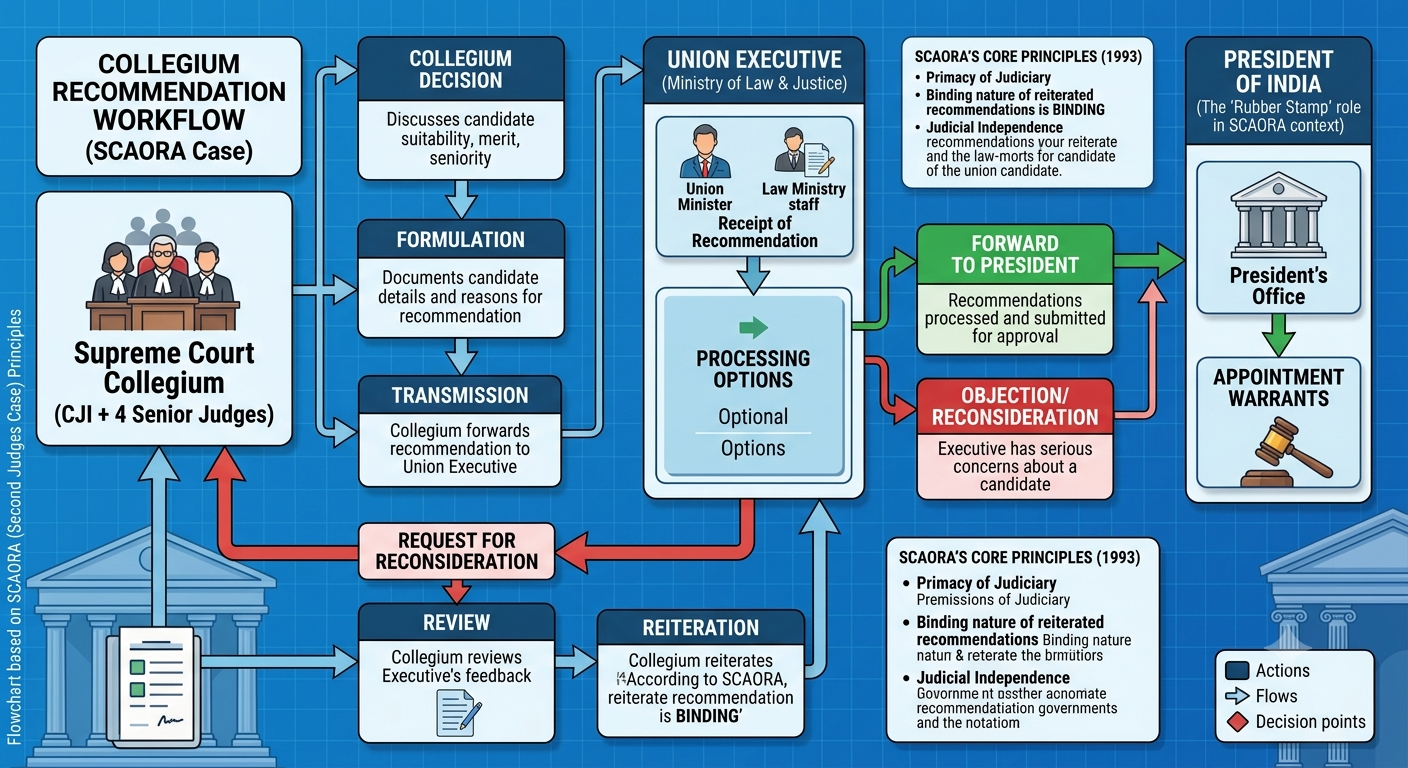
Table of Contents What is SCAORA v. Union of India Case? Supreme Court Advocates-on-Record Association (SCAORA) v. Union of India (1993), also known as the Second Judges Case, is a landmark nine-judge Supreme Court ruling that established the primacy of the Chief Justice of India in judicial appointments. It effectively created the Collegium System, shifting…
-
Unmasking S.R. Bommai v. Union of India: The Shocking Federalism Truth
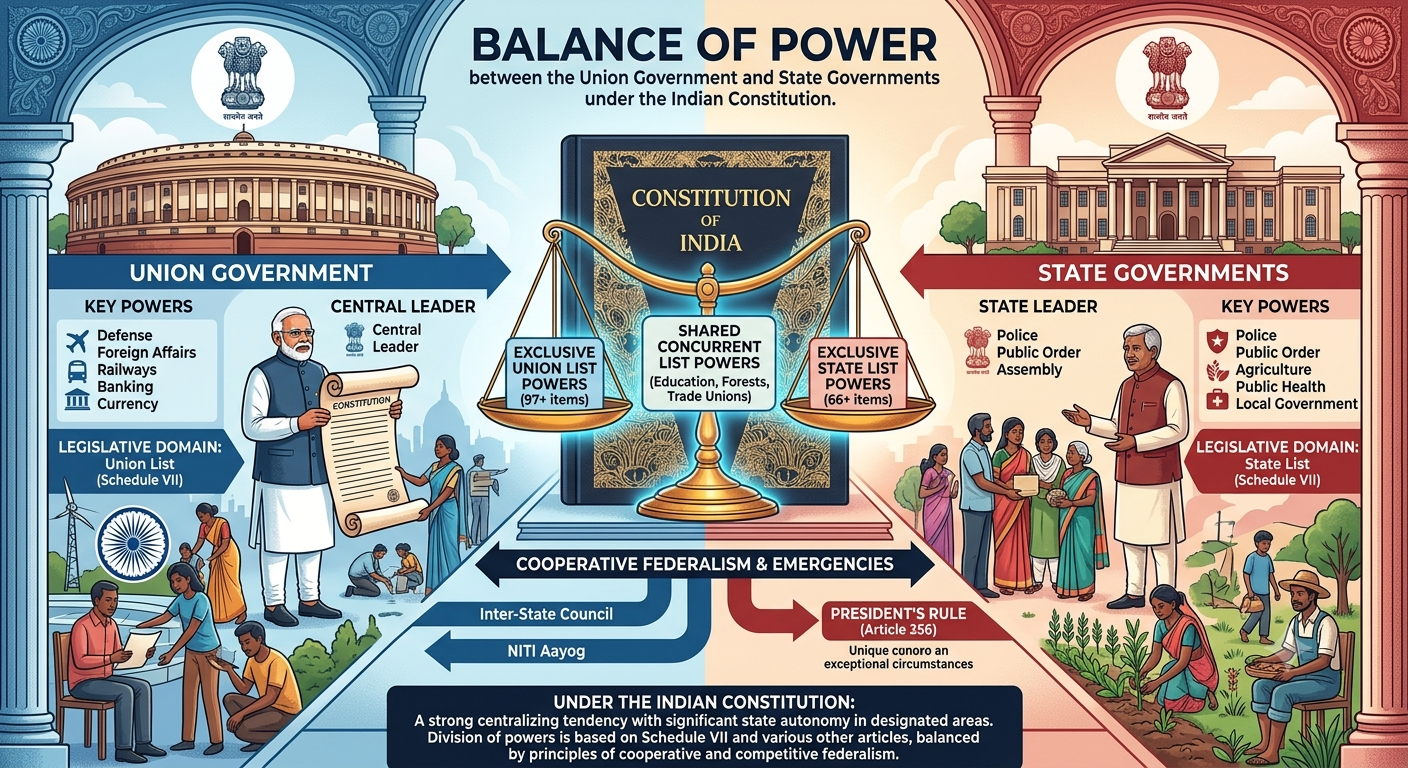
The arbitrary dismissal of state governments once threatened Indian democracy. However, the landmark judgment in S.R. Bommai v. Union of India changed everything by establishing strict judicial boundaries. Written by Kapil Balhara | Technically Reviewed for Accuracy | Last Updated: October 2026 Table of Contents What is S.R. Bommai v. Union of India Case? S.R.…
-
Unmasked Truth Behind SCAORA v Union of India in the Shocking NJAC Case
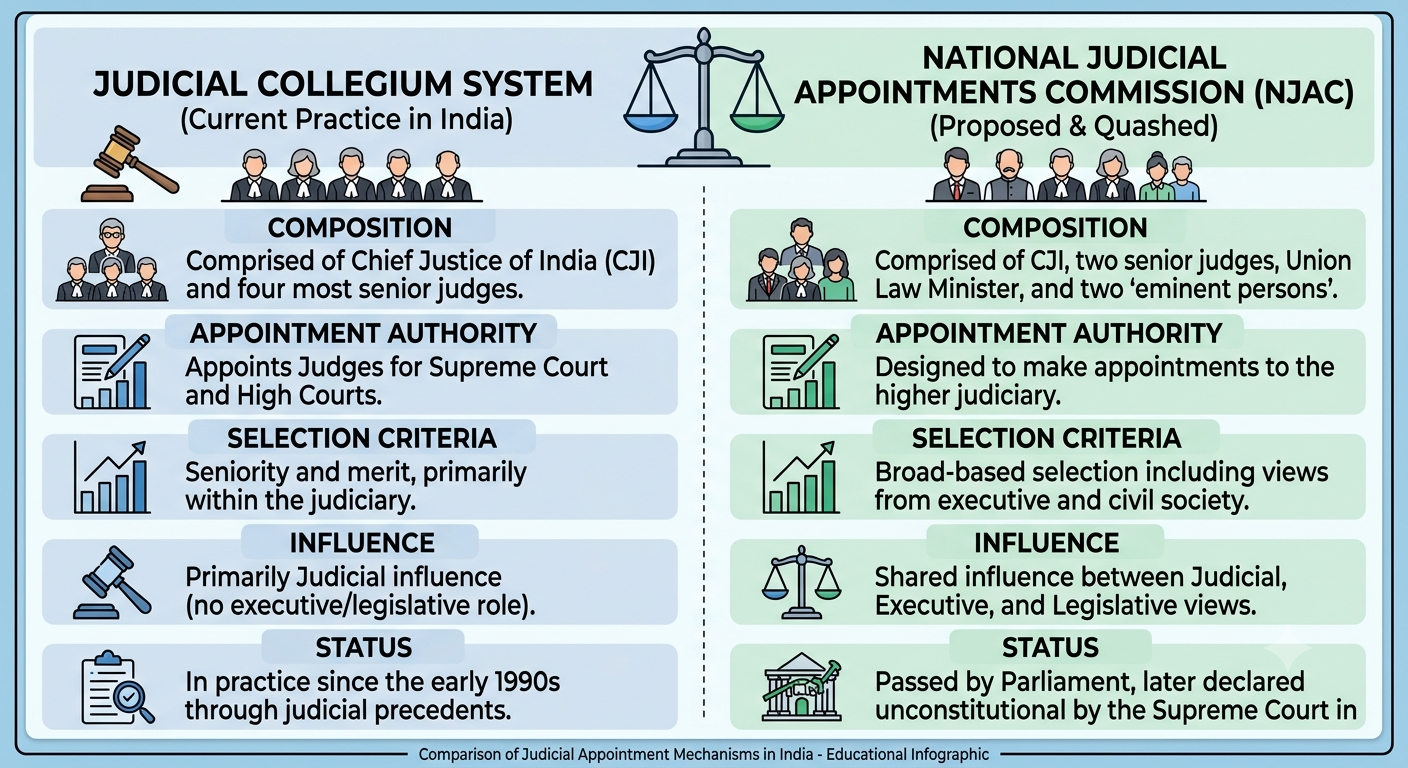
Table of Contents Introduction to the Landmark NJAC Case The judicial landscape in India faced an essential constitutional test during the hearing of Supreme Court Advocates-on-Record Association (SCAORA) v. Union of India. This historic dispute examined whether the legislature could alter the method of selecting judges. The Parliament attempted to replace the decades-old Collegium system…
-
The Truth Behind Rojer Mathew v. South Indian Bank
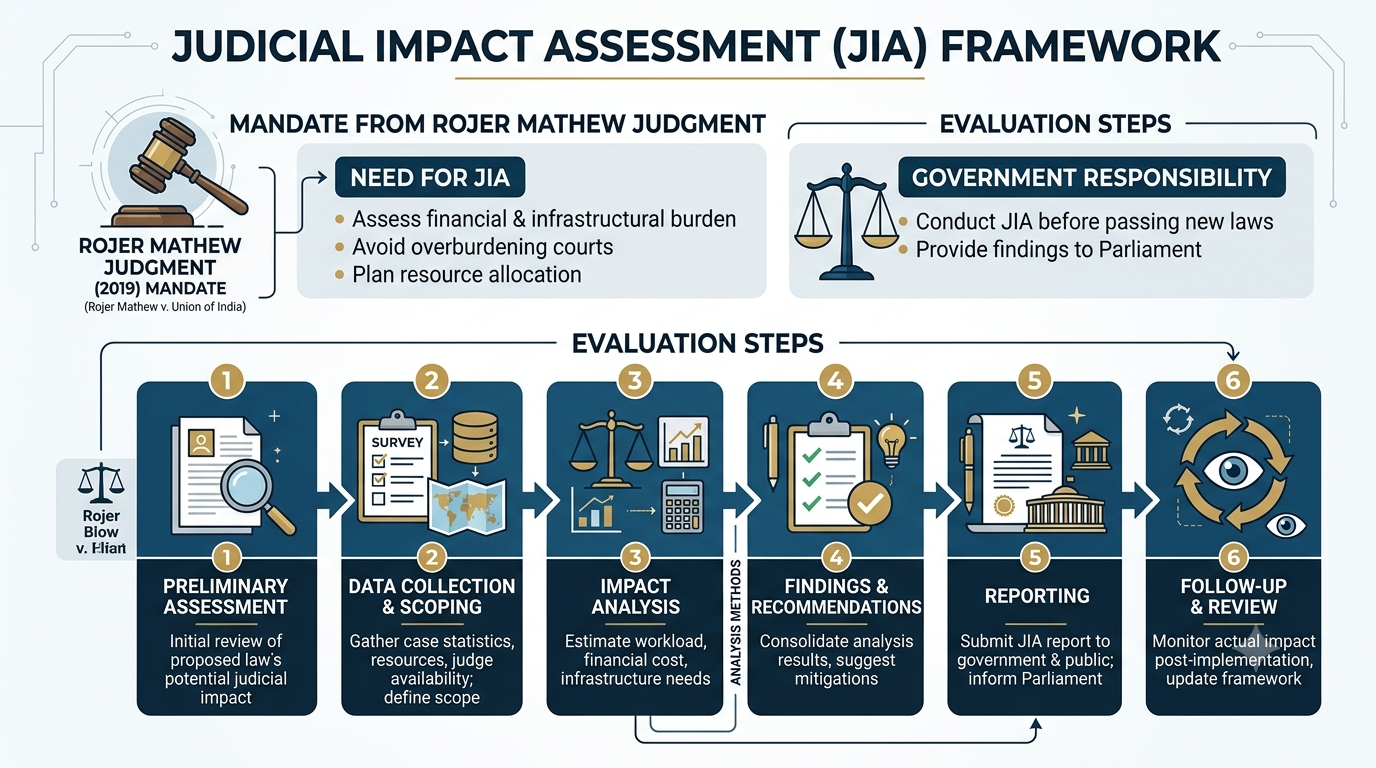
Table of Contents What is the Rojer Mathew v. South Indian Bank Case? The case of Rojer Mathew v. South Indian Bank Ltd. (2019) is a pivotal Supreme Court ruling addressing the constitutional validity of Part XIV of the Finance Act 2017. The Court examined executive control over tribunal appointments, judicial independence, and the passage…
-
Unraveling the Landmark Case: Romesh Thappar v. State of Madras
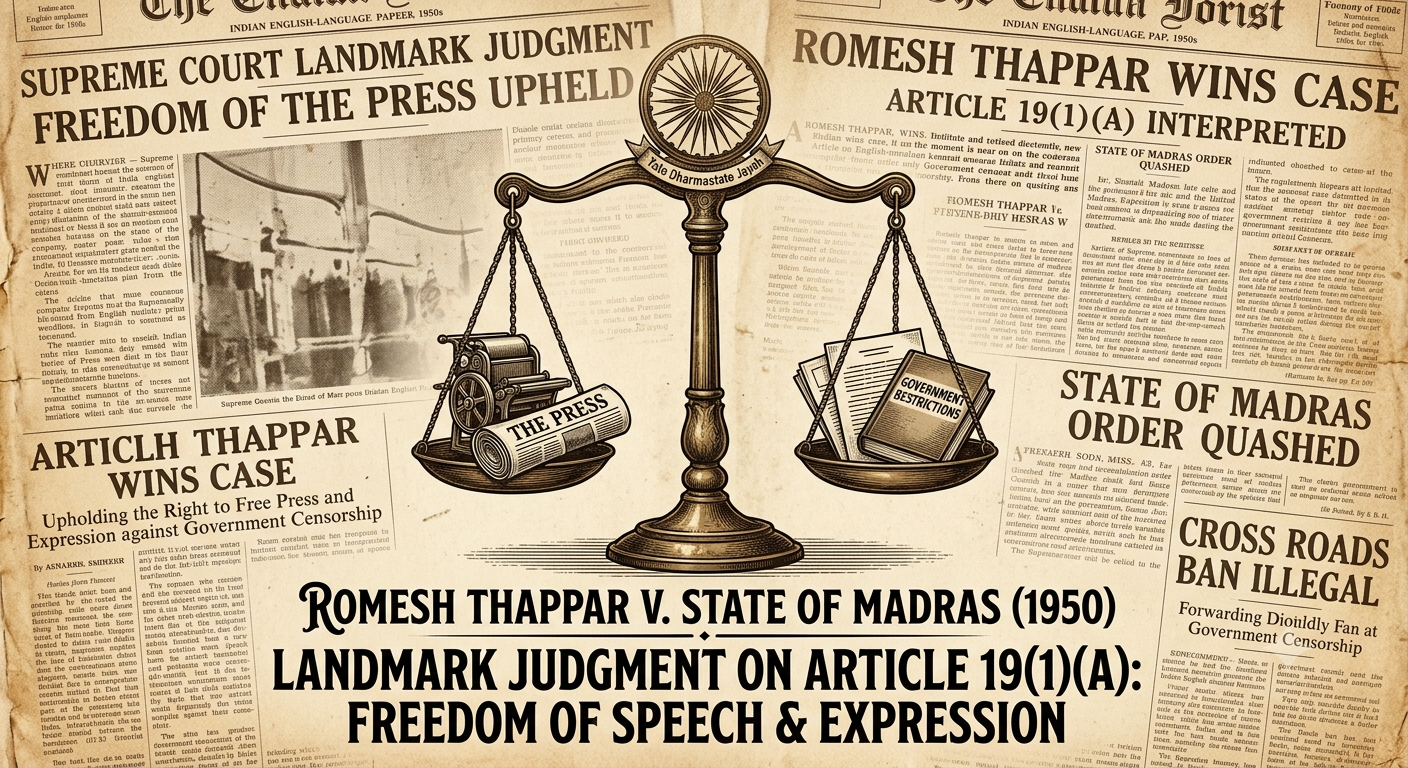
Written by Kapil Balhara | Technically Reviewed for Accuracy | Last Updated: October 2026 Does the government have the constitutional right to silence independent journalism to maintain local law and order? This critical question reached the Supreme Court of India in 1950 through the landmark case Romesh Thappar v. State of Madras. The Supreme Court…
-
The Controversial Berubari Union Case: Ultimate Constitutional Analysis
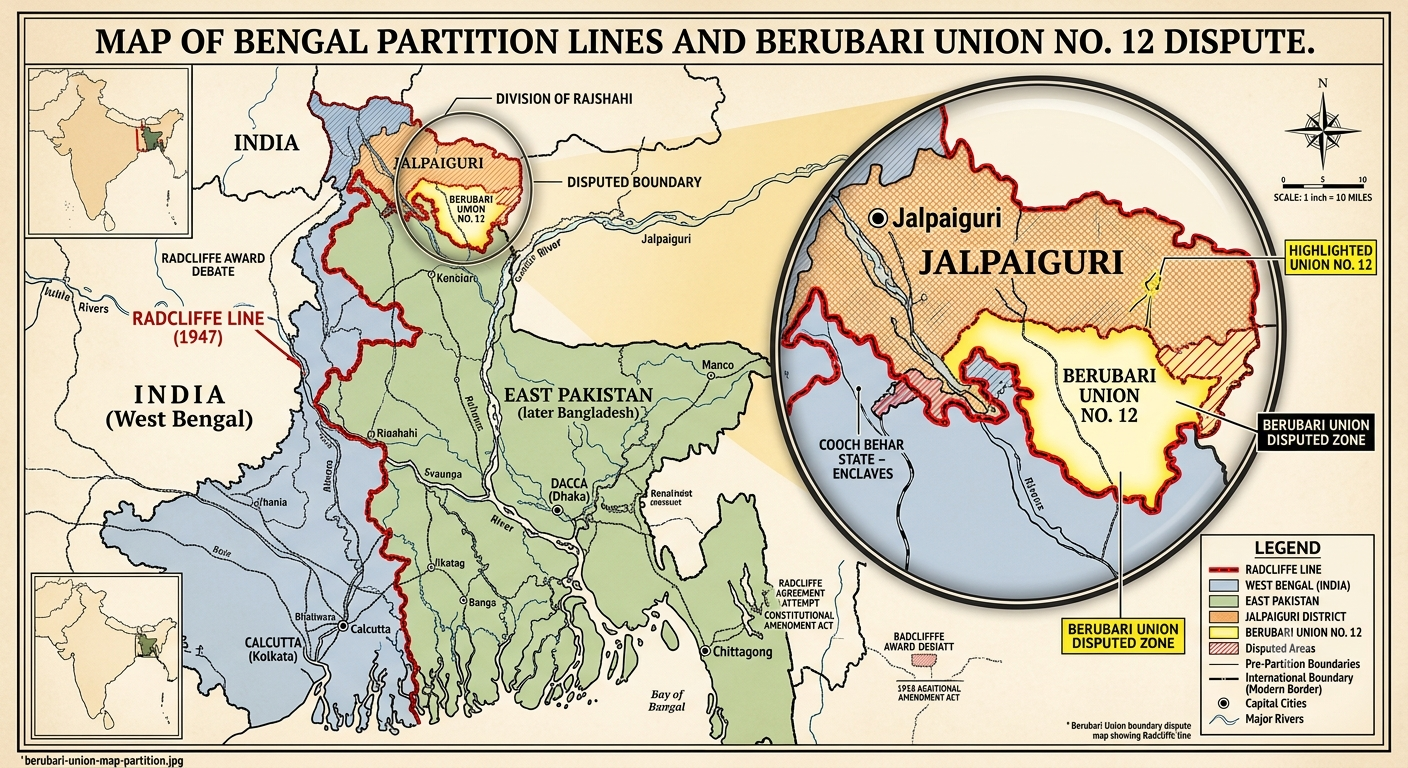
Table of Contents Introduction to Berubari Union Case (In Re) National sovereignty often depends on clear territorial boundaries. However, boundary disputes can create intense political and constitutional friction. The Berubari Union Case (In Re) remains a monumental landmark in Indian legal history. It directly addressed whether the Indian Parliament could cede national territory to another…
-
The Shocking Legal Truth of Sajjan Singh v. State of Rajasthan
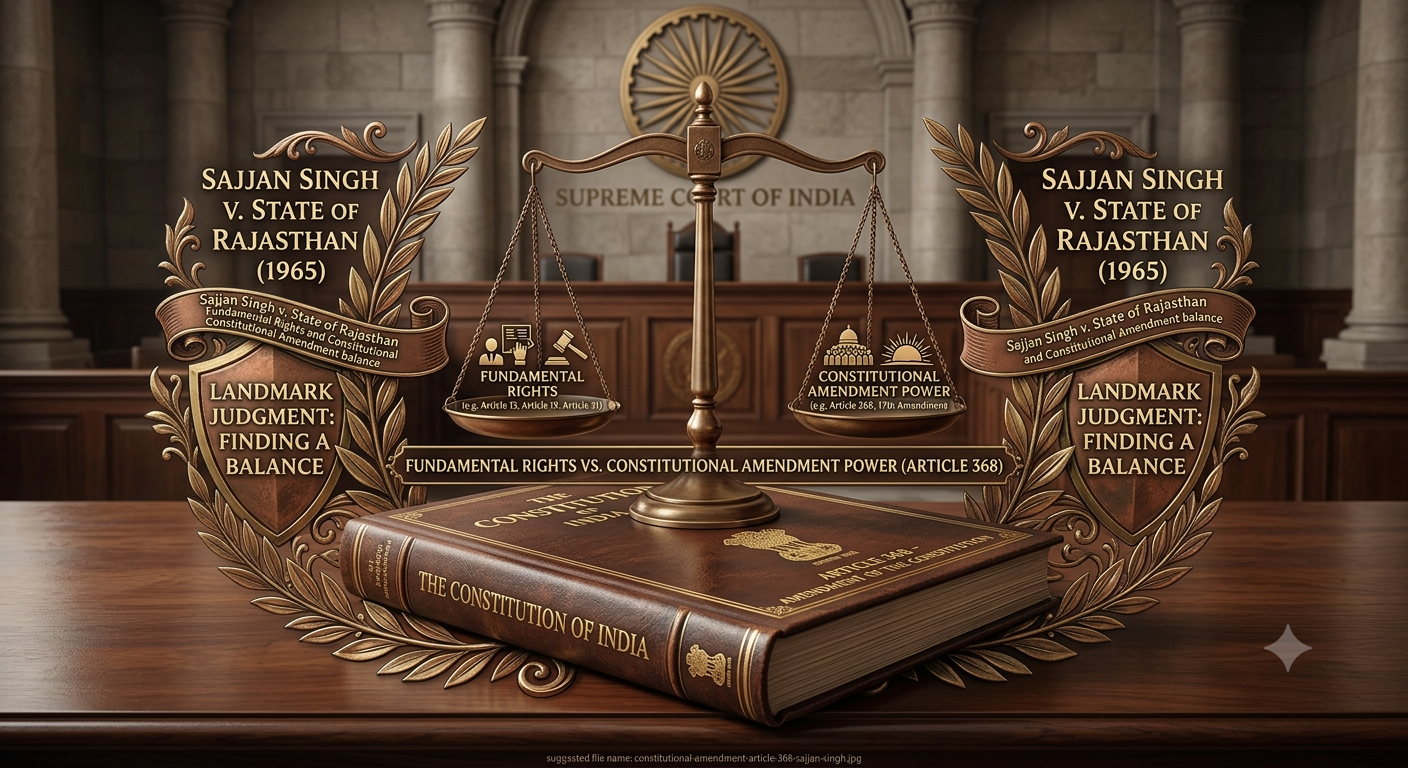
Does Parliament hold absolute power to alter every line of the Constitution of India? Or do citizen rights stand entirely above legislative control? The Indian legal framework faced this intense debate in the historic case of Sajjan Singh v. State of Rajasthan (1965). In this landmark matter, the Supreme Court of India evaluated whether constitutional…
-
I.C. Golaknath v. State of Punjab : The Shocking Judicial Verdict That Forever Defended Indian Freedom
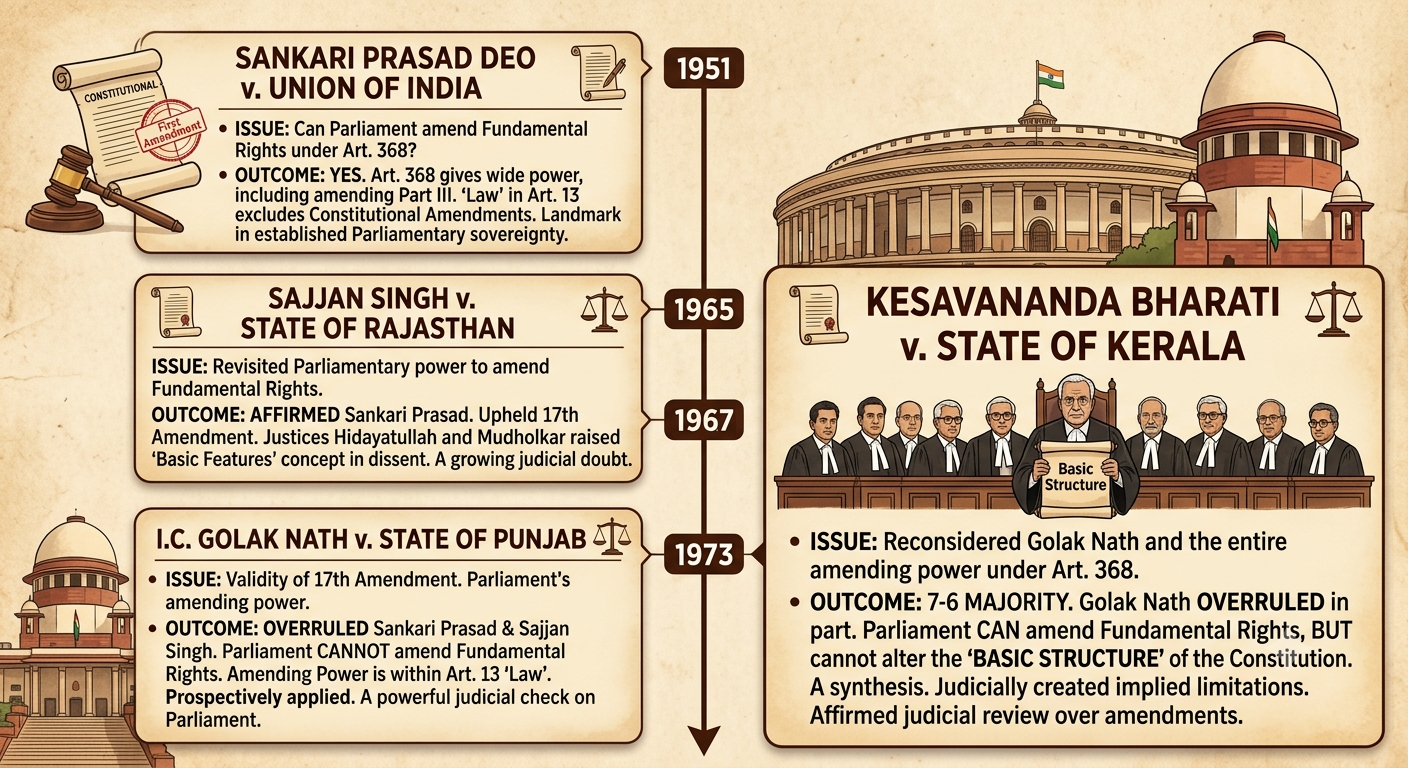
In 1967, the Supreme Court of India rendered a monumental judgment in I.C. Golaknath v. State of Punjab that permanently reshaped Indian constitutional law. This landmark ruling established that Parliament could not curtail fundamental rights through constitutional amendments. Written by Kapil Balhara | Technically Reviewed for Accuracy | Last Updated: October 2026 Link to Download…
-
Unmasking the Dark Reality of the Keshavananda Bharti Case
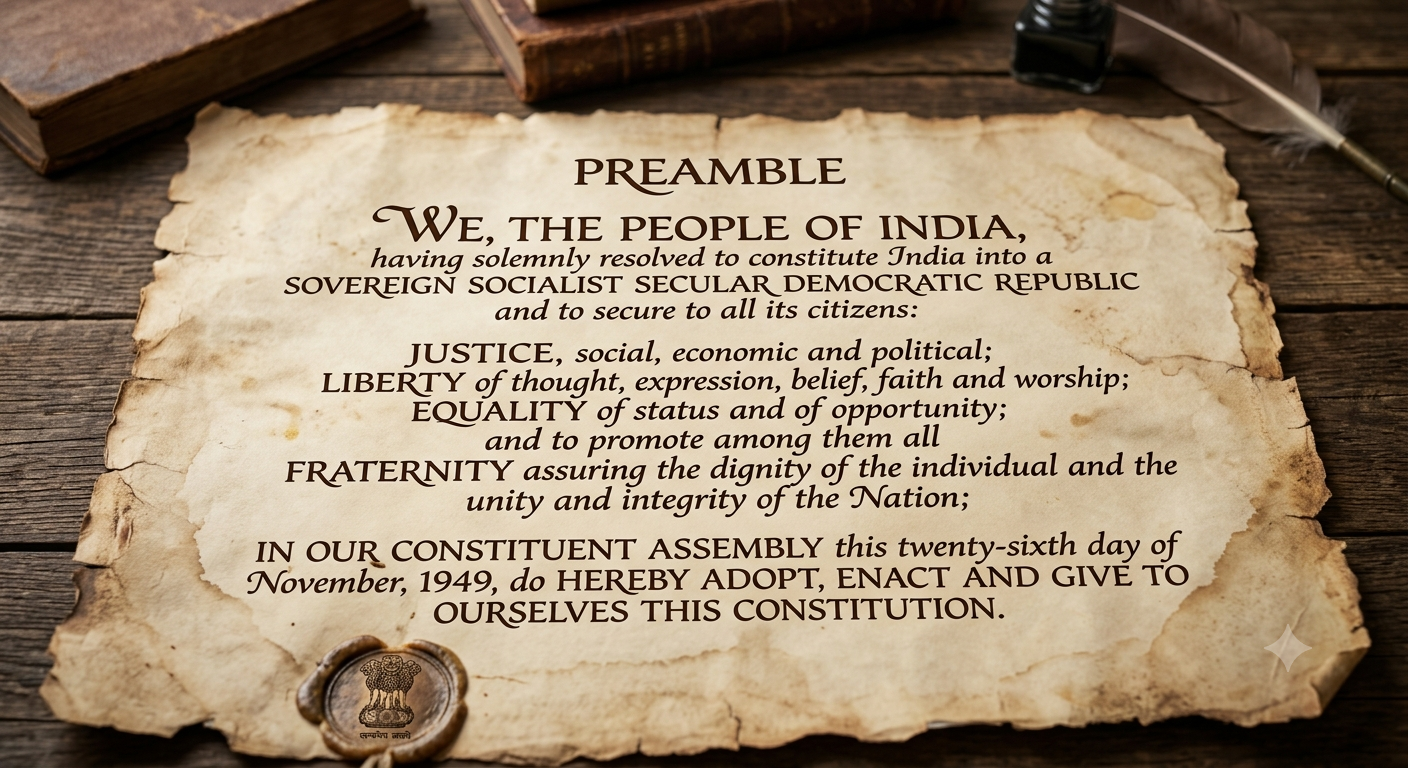
The Kesavananda Bharati case stands as the most critical legal battle in Indian constitutional history. In our analysis, this historic ruling prevented unlimited parliamentary power and preserved citizen freedoms. The Kesavananda Bharati v. State of Kerala case reshaped Indian democracy by establishing that Parliament cannot alter the basic framework of the Constitution. Written by Kapil…
-
The Painful Legal Truth of Shankari Prasad v. Union of India Unmasked
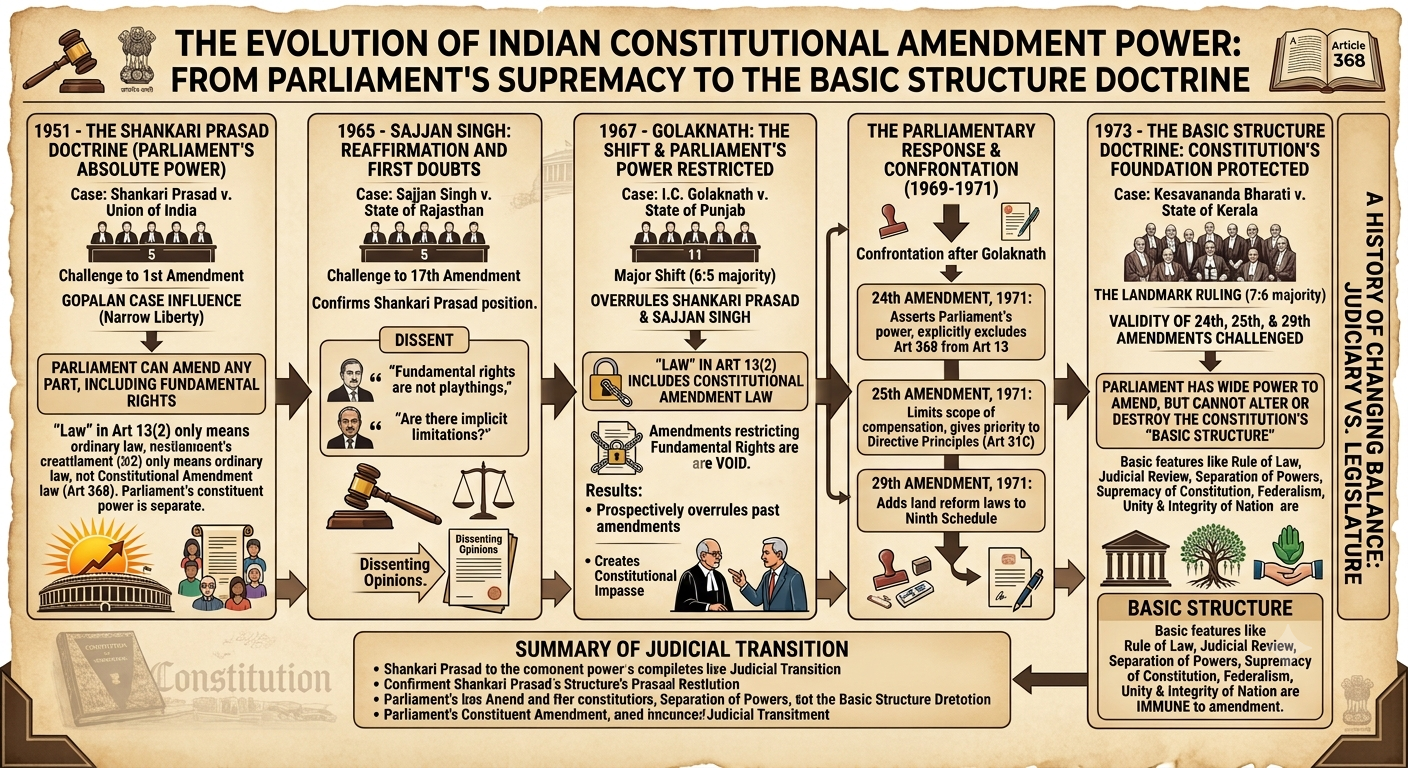
Landowners across India faced immediate property loss when the government introduced radical land reform acts after independence. This aggressive reform agenda forced the Supreme Court to rule on Shankari Prasad v. Union of India (1951), establishing the early boundaries of parliamentary power over fundamental rights. Written by Kapil Balhara | Technically Reviewed for Accuracy |…